Construction site trespassing can seem like a minor nuisance at first. In reality, it can lead to stolen materials, damaged equipment, safety incidents, legal trouble, and costly delays. For contractors, property owners, and site managers, even one unauthorized visit can create a chain of problems that affects budgets, schedules, and overall peace of mind.
In this guide, you’ll learn why construction site trespassing is such a serious issue, how to spot warning signs early, and what steps can help keep your site safer. We’ll also cover the role of signage, physical barriers, monitoring, and professional security support so you can build a stronger prevention plan.
Why is construction site trespassing a serious problem?
A construction site is not like an empty lot. It often contains expensive tools, raw materials, heavy machinery, exposed wiring, open trenches, unstable surfaces, and incomplete structures. That makes it attractive to trespassers and dangerous for anyone who enters without permission.
The biggest concern is safety. A person who walks onto a site after hours may not understand the hazards around them. They could trip, fall, get struck by moving equipment, or come into contact with dangerous materials. If someone gets hurt, the incident can create major stress, investigations, and possible liability concerns for the companies involved.
There is also the financial impact. Construction site trespassing can lead to:
- Theft of copper, lumber, tools, fuel, and equipment
- Vandalism such as broken windows, cut fencing, graffiti, or damaged machinery
- Delays caused by cleanup, repairs, insurance claims, or police reports
- Higher insurance costs and added operating expenses
- Lost productivity when crews cannot work as planned
What this means for you is simple: trespassing is not just a security problem. It is a business risk, a safety risk, and a project management problem all at once.
What are the common signs of trespassing on construction sites?
Sometimes trespassing is obvious. Other times, it shows up through small warning signs that are easy to miss unless your team knows what to look for.
Here are some common signs of construction site trespassing:
- Fence panels that are bent, cut, or moved out of place
- Gates left open or locks that look damaged
- Footprints, tire marks, or paths through dirt or gravel
- Missing tools, materials, or fuel
- Graffiti or other signs of vandalism
- Trash, food wrappers, or drink containers left behind
- Broken lights or damaged cameras
- Equipment that has been moved or tampered with
- Signs pulled down, covered, or defaced
If you notice any of these issues, act quickly. A small breach today can become a repeat pattern tomorrow. Sites that appear easy to enter often attract more unwanted visitors over time.
Common mistake to avoid
One mistake many teams make is treating early signs as isolated events. A cut fence or missing padlock may seem minor, but it often signals that someone has already tested your site’s weak points.
Vandalism and theft trends: why are construction sites at risk?
Construction sites remain common targets for theft and vandalism because they often contain high-value items in open or lightly protected areas. Materials such as copper wire, metal piping, tools, and generators can be stolen quickly and resold. Even small thefts add up fast when crews must replace items and pause work.
Vandalism can be just as damaging. Spray paint, smashed fixtures, broken locks, and sabotaged equipment can stop work for hours or days. In some cases, damage is not discovered until the next shift begins, which creates more disruption and wasted labor.
Trespassers may include:
- Opportunistic thieves looking for tools or scrap materials
- Curious teenagers or passersby entering without understanding the risks
- Former workers or disgruntled individuals returning to the site
- People seeking shelter in partially built structures
- Vandals targeting sites that seem unmonitored
These trends highlight an important point: not every trespasser has the same motive. That is why prevention needs to go beyond a single lock or sign. Effective protection usually combines deterrence, detection, and response.
What happens if someone trespasses on a construction site?
When someone trespasses on a construction site, the outcome can range from minor disruption to a major emergency. Much depends on what the person does, how quickly the intrusion is detected, and what hazards are present on the site.
Here are some of the most common consequences:
Safety incidents
Unauthorized visitors may fall into trenches, touch live electrical systems, climb unstable structures, or get injured by equipment. Construction zones are designed for trained workers, not the public.
Property damage and theft
Trespassers may steal materials, break equipment, damage fencing, or vandalize buildings under construction. Even if the damage seems limited, the repair process can disrupt the entire schedule.
Project delays
A single trespassing incident can trigger police involvement, internal reporting, insurance claims, safety reviews, and replacement orders. That means lost time, added cost, and frustrated teams.
Liability and legal issues
Liability depends on the situation and local laws, but site owners and contractors still need to take reasonable steps to secure the area and warn people away. Clear safety measures matter. For broader construction safety guidance, OSHA provides helpful resources here: OSHA construction safety.
If you’re wondering whether a trespasser is always fully responsible, the answer is not always simple. That is one reason prevention is so important. Strong security measures can help reduce both risk and confusion if an incident occurs.
How can I deter construction site trespassers?
The best way to handle construction site trespassing is to make your site harder to access, less appealing to target, and easier to monitor.
A strong deterrence plan often includes the following steps:
Secure the perimeter
Start with the boundary. Good fencing, locked gates, and limited entry points make it harder for people to wander in or break in unnoticed. Repair damage right away so your site never appears easy to enter.
Improve lighting
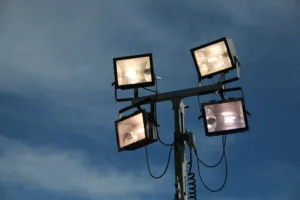
Well-lit entry points, storage areas, and dark corners can discourage trespassers. Lighting also helps cameras capture clearer images and helps workers spot suspicious activity faster.
Store valuables wisely
Do not leave tools, fuel, and portable equipment in open areas overnight. Use locked containers, secure cages, or protected storage areas whenever possible.
Remove temptation
Keep the site orderly. Loose materials, visible tools, and easy-to-carry items can attract opportunistic trespassers. A cleaner site often looks more controlled and less vulnerable.
Use visible monitoring
Security cameras, alarm systems, and warning signs can discourage people from entering. Many trespassers will move on if they believe they will be seen, recorded, or confronted.
Set a response plan
Everyone should know what to do if they spot an intruder or signs of entry. Quick reporting and fast follow-up can prevent repeat incidents.
The role of no trespassing and no unauthorized entry signage
Signs are simple, but they matter. Clear “No Trespassing” and “No Unauthorized Entry” signage helps establish boundaries and sends a direct message that the site is restricted (.
Signs work best when they are:
- Easy to read from a distance
- Placed at gates, fences, and common entry points
- Large enough to notice day or night
- Replaced quickly if damaged or removed
- Paired with other security measures such as lighting, fencing, and cameras
Signage alone will not stop every intruder. But it supports your overall construction site security strategy by warning the public, reinforcing site rules, and showing that access is controlled.
It also helps remove ambiguity. Some people enter sites because they assume no one will mind or because the area does not look clearly restricted. Good signage reduces that excuse.
Best practices for construction site security
If you want to reduce construction site trespassing over the long term, it helps to use a layered approach. That means combining multiple protective measures instead of relying on one solution.
Here are some proven best practices:
- Inspect the perimeter daily: Check fences, gates, locks, lighting, and signage for damage.
- Control access tightly: Limit who can enter, when they can enter, and which areas they can reach.
- Track keys and codes: Change codes when needed and collect access devices from former workers right away.
- Use remote video monitoring: Live or recorded video can help detect activity after hours.
- Protect high-value items: Store equipment and materials in secure, well-lit areas.
- Document incidents: Keep records of trespassing attempts, thefts, and repairs to identify patterns.
- Train crews to report issues: Workers are often the first to notice signs of tampering or intrusion.
- Review security as the site changes: As the project grows, entry points, blind spots, and risks often change too.
A practical checklist
Use this quick checklist to review your site:
- Are all gates locked after hours?
- Are signs visible and in good condition?
- Are tools and materials secured overnight?
- Are cameras covering key entry points?
- Is there enough lighting around the perimeter?
- Does your team know who to call if something looks wrong?
If you answer “no” to any of these, that is a good place to start improving your site security.
How Bay Alarm helps prevent construction site trespassing
Preventing trespassing takes more than a warning sign and a padlock. Many sites need a stronger, more responsive security plan that fits the layout, schedule, and level of risk.
Bay Alarm helps businesses protect jobsites with security solutions designed to improve visibility, deter unauthorized access, and support faster response when issues happen. Depending on site needs, that may include intrusion detection, video security, monitoring, and other tools that help teams stay aware of what is happening on and around the property.
During the early stages of a project, construction sites often lack access to the power grid while housing valuable materials, equipment, and machinery. To help address these vulnerabilities, Bay Alarm’s AI-powered mobile security trailers provide around-the-clock monitoring and protection in virtually any environment.
For companies looking to reduce theft, vandalism, and after-hours risk, working with an experienced security provider can make site protection more consistent and less stressful. You can learn more about available solutions at Bay Alarm.
So, what can I do to improve construction site security today?
Construction site trespassing can lead to injuries, theft, vandalism, liability concerns, and project delays. The good news is that many incidents can be reduced with clear signage, secure perimeters, better lighting, controlled access, and reliable monitoring. The most effective approach is layered, practical, and reviewed often as the site changes.
If you manage a jobsite, start with one step today: inspect your perimeter and identify the easiest place for someone to get in. From there, build a stronger plan that protects your people, your property, and your timeline.
Updated on: September 1st, 2026