Compared to the hustle and bustle of a restaurant rush, closing time can feel much more peaceful. Chairs go up on tables, the kitchen gets wiped down, and the day’s earnings are counted. That quiet stretch is also when many restaurants are most exposed. Fewer people are around, cash is often on hand, and staff may be working alone.
The good news is that you can reduce these risks with smart habits and the right technology. In this guide, we’ll explain why late nights carry extra risk, how to protect your team and your property, and how modern restaurant security systems help keep everyone safe until morning.
Why late-night hours are the riskiest for restaurants
Criminals look for three things: an easy target, a valuable reward, and a low chance of getting caught. Late-night hours often check all three boxes.
After dark, streets and parking lots are emptier, so fewer people may notice suspicious activity. Visibility drops too, especially around back doors, dumpsters, and side entrances. Many restaurants also follow the same routine every night, such as locking up at the same time or taking out trash through the same door. Anyone watching can learn that schedule quickly.
Common late-night risk factors include:
- Reduced staffing: One or two employees are often left to close.
- Cash on site: The day’s sales may still be in the register or back office.
- Predictable routines: Closing times and exit paths rarely change.
- Poor lighting: Dark alleys and parking areas give intruders places to hide.
- Isolated locations: Strip malls and business parks empty out at night.
Understanding these patterns is the first step. Once you know where the gaps are, you can close them with better procedures and well-planned restaurant security systems.
Cash handling risks during closing shifts
Cash is one of the main reasons restaurants are targeted. Even as more guests pay by card, many locations keep cash for tips, change, and walk-in orders. Counting that money at the end of the night can draw attention if it isn’t done carefully.
A few simple changes can lower your exposure:
- Make drops throughout the shift. Move excess cash from registers into a drop safe during the evening so less money sits in the drawer at closing.
- Use a time-delay safe. A time-delay safe won’t open until a set amount of time has passed after the code is entered. This makes a quick grab much harder for a robber.
- Count in a secure, out-of-sight area. Never count cash at the front counter or near windows.
- Vary deposit times and routes. Don’t make bank runs at the same time or by the same path every day.
- Post signs about limited cash. Signs stating “employees cannot access the safe” can discourage would-be thieves.
Pairing these habits with cameras pointed at registers and the cash office adds another layer of protection. Video creates a record of every transaction, which helps with both theft prevention and internal accountability.
Protecting staff working alone or after dark
Your employees are your most important asset. No amount of cash or equipment is worth someone getting hurt. The Occupational Safety and Health Administration (OSHA) recognizes late-night work, handling cash, and working alone as known risk factors for workplace violence, which is why a clear safety plan matters.
Start with training. Every closing employee should know what to do if something feels wrong, who to call, and how to get help quickly. During a robbery, staff should be taught to stay calm, cooperate, and never resist. Then back up that training with tools that make calling for help fast and discreet.
Panic buttons and duress alarms
A panic button is a small device that sends an emergency signal to a monitoring center with a single press. It can be mounted under a counter, placed near the safe, or worn as a portable pendant or key fob. Many restaurant security systems connect panic buttons directly to professional monitoring, so help is on the way quickly.
Most restaurant panic buttons trigger a silent alarm. That means no siren or flashing light goes off on site. Instead, the alert goes quietly to the monitoring center, which can contact police. This matters because a loud alarm during a robbery could startle the intruder and make the situation more dangerous.
A duress alarm works a little differently. It’s a special code entered on your alarm keypad. If someone forces an employee to disarm the system, the employee types the duress code instead of the regular one. The system appears to shut off normally, but it secretly alerts the monitoring center that the employee is in danger.
The “buddy system” for opening and closing
The buddy system means no one opens or closes the restaurant alone. Having two people present makes your location a less appealing target and ensures someone can call for help if needed.
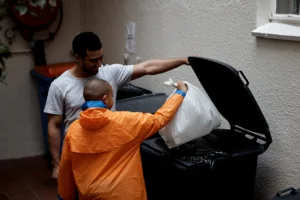
Good buddy system practices include:
- Walking to cars together after closing
- Having one person check the parking lot before the other exits with cash or trash
- Taking trash out during daylight or before the last hour of business
- Keeping back doors locked at all times, even during a quick trash run
- Calling a manager or coworker to confirm you got home safely
When two people aren’t available, a monitored panic pendant and a clear check-in process can help fill the gap.
Protecting inventory and equipment overnight
Once the doors are locked and the lights are off, your building still holds a lot of value. Commercial kitchen equipment, point-of-sale terminals, liquor, and stocked walk-in coolers can be worth tens of thousands of dollars. Burglars know this, and they often target restaurants during the overnight hours when nobody is inside.
A burglar alarm system protects your space when no one is there to watch it. These systems typically use a combination of sensors:
- Door and window contacts: These two-piece sensors trigger an alert when a door or window opens while the system is armed.
- Motion detectors: These sense movement inside the building. Many use passive infrared (PIR) technology, which detects the body heat of a person moving through a room.
- Glass-break sensors: These listen for the specific sound frequency of breaking glass, which is useful for restaurants with large front windows.
- Environmental sensors: Temperature sensors can alert you if a walk-in cooler or freezer fails overnight, helping you avoid losing an entire stock of food.
Don’t forget the basics, either. Bright exterior lighting, sturdy locks on back doors, and a locked liquor storage area all make your restaurant harder to break into.
What restaurant security systems address
Every restaurant is different, but most face the same core threats:
- Robbery during business hours
- Burglary after closing
- Internal theft
Modern restaurant security systems combine several technologies to address all three. Here’s how each piece works.
Video surveillance and monitoring
Video surveillance uses cameras to record and display activity in and around your restaurant. Visible cameras act as a deterrent, since people are less likely to commit a crime when they know they’re being recorded. If an incident does happen, footage can help police identify suspects and support insurance claims.
Key areas to cover include entrances, registers, the cash office, the back door, the parking lot, and storage rooms. Many systems also let owners view live or recorded video from a smartphone. That means you can check on your restaurant from home after the last employee leaves.
Access control for entrances and back-of-house
Access control lets you decide who can enter certain areas and when. Instead of traditional keys, employees use key cards, fobs, or PIN codes. If an employee leaves the company or loses a card, you can deactivate that credential in seconds. You don’t have to rekey the entire building.
Access control works especially well for back-of-house areas such as the office, safe room, and liquor storage. The system also keeps a log of who entered each door and at what time. That record is helpful when you need to investigate missing inventory or confirm who was on site at closing.
24/7 professional alarm monitoring

An alarm is only helpful if someone responds to it. Professional monitoring means trained operators watch for signals from your system around the clock, every day of the year. When an alarm or panic button is triggered, they verify the event and dispatch police, fire, or medical help as needed.
Without monitoring, an alarm might sound in an empty building with no one there to hear it. With monitoring, your restaurant security systems connect to real people who can act quickly, even at 3 a.m. on a holiday.
How Bay Alarm supports restaurant security
Bay Alarm Company has been protecting homes and businesses since 1946. As a family-owned company, we understand that every restaurant has its own layout, hours, and challenges. A late-night diner, a busy bar and grill, and a quick-service location all need different solutions.
Our team can help you design a system that fits your space and your budget. That may include burglar alarms, panic buttons, video surveillance, access control, and environmental sensors, all backed by 24/7 professional monitoring from our own monitoring centers. To learn more about protecting your business, visit our website.
Late nights don’t have to feel risky. With smart closing procedures, a trained team, and reliable restaurant security systems, you can protect your people, your cash, and your property long after the last guest leaves.
Frequently asked questions
Why are restaurants more vulnerable to robbery during late-night hours?
Late-night hours often combine low staffing, cash on hand, dark surroundings, and predictable routines. Fewer people are around to witness a crime, which makes restaurants a more appealing target after dark.
What security measures help protect staff working alone at closing time?
Panic buttons, duress codes, good exterior lighting, and video surveillance all help protect employees. Whenever possible, use the buddy system so no one opens or closes alone. A check-in process with a manager adds another layer of safety.
How can restaurants reduce the amount of cash at risk during late-night hours?
Make regular cash drops into a secure safe during the shift, use a time-delay safe, and count money in a private area. Varying bank deposit times and routes also makes it harder for anyone to predict when cash is moving.
What is a panic button, and how does it work in a restaurant?
A panic button is a device that sends an emergency alert to a monitoring center with one press. It can be fixed under a counter or worn as a pendant. Most restaurant panic buttons trigger a silent alarm, so help is called without alerting the intruder.
Do restaurant security systems need to be professionally monitored?
While not legally required, professional monitoring is strongly recommended. Monitored restaurant security systems connect to trained operators who can dispatch emergency services right away, even when no one is on site.
What’s the difference between a silent alarm and a standard alarm?
A standard alarm makes a loud siren on site to scare off intruders and alert people nearby. A silent alarm sends a quiet signal to a monitoring center without any noise. Silent alarms are often used during robberies to avoid escalating a dangerous situation.
How does video surveillance help prevent restaurant robberies?
Visible cameras discourage crime because people don’t want to be recorded. Video also gives police useful evidence, supports insurance claims, and lets owners check on their restaurant remotely through a smartphone app.
Updated on: November 9th, 2026