Video surveillance and HIPAA: Best practices for compliant healthcare monitoring
Healthcare facilities have a dual responsibility: ensuring patient safety and protecting patient privacy. Video cameras can be a powerful tool for deterring crime, monitoring patient areas, and improving overall security. However, their use brings up important questions about compliance with the Health Insurance Portability and Accountability Act (HIPAA). Navigating the complexities of video surveillance and HIPAA is essential for any healthcare provider looking to enhance security without violating patient rights.
This guide will walk you through the best practices for implementing a compliant video monitoring system. We’ll explore what HIPAA says about video use, where to place cameras, how to manage footage, and what safeguards you need. Understanding these rules helps you protect your facility, your staff, and most importantly, your patients.
What does HIPAA say about video surveillance in healthcare?
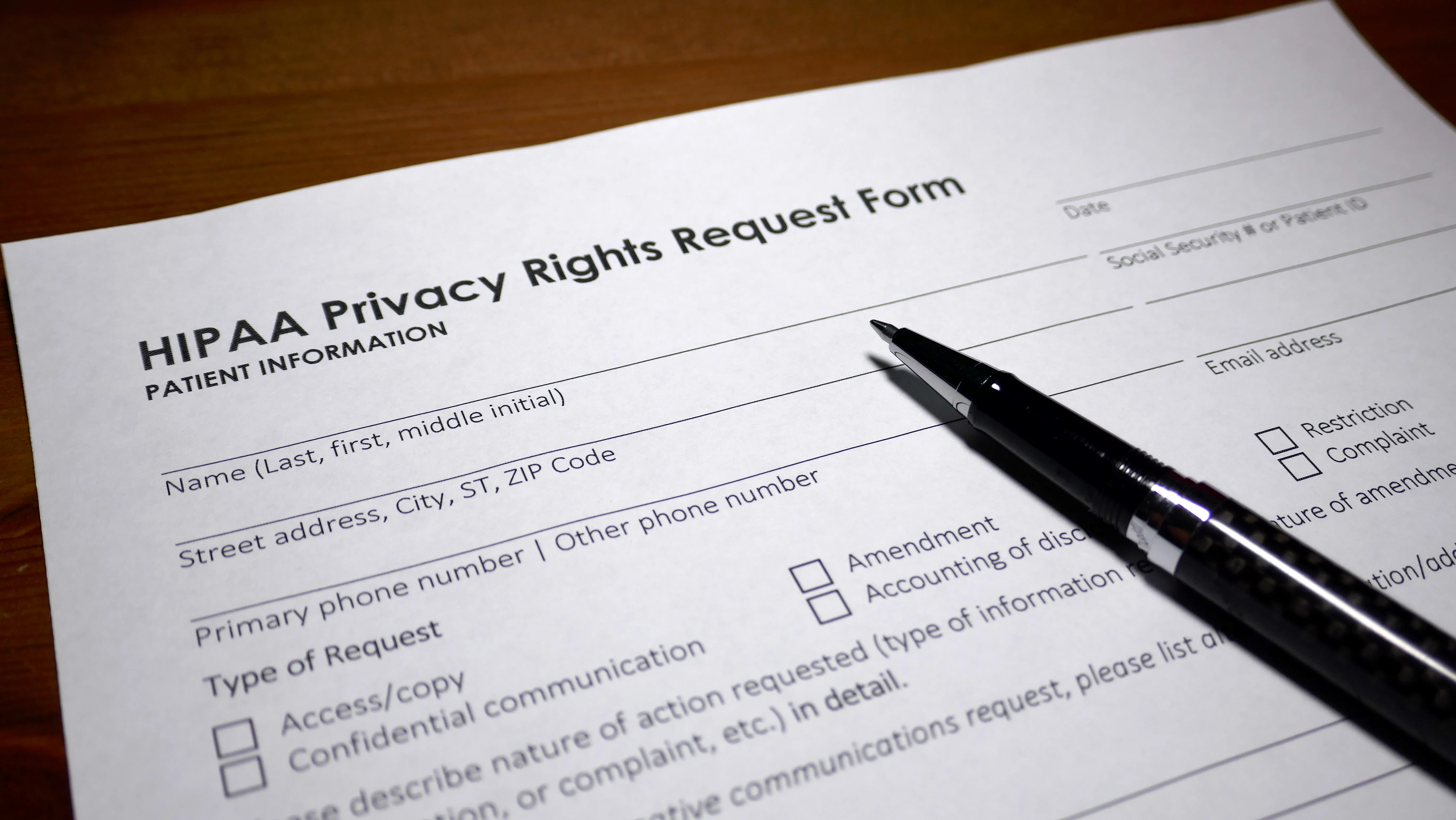
HIPAA doesn’t specifically mention “video surveillance.” Instead, its rules focus on protecting Protected Health Information (PHI). PHI is any identifiable health information, including a patient’s name, diagnosis, treatment, or even just their presence in a specific clinic, like a substance abuse or mental health facility.
The main risk with video surveillance and HIPAA is the unintentional capture of PHI. For example, a camera positioned over a nurse’s station might record a computer screen displaying patient records. A camera in a waiting room could capture a conversation between a patient and a receptionist discussing a medical condition. If this footage is not properly secured, it could lead to a HIPAA breach, resulting in significant fines and damage to your reputation.
The HIPAA Security Rule requires covered entities to implement safeguards to protect electronic PHI (ePHI). Since video footage is stored digitally, it falls under this rule. You must ensure the confidentiality, integrity, and availability of any footage that contains or is linked to PHI.
Where and how can cameras legally be placed in medical facilities?
Deciding where to install cameras is one of the most critical steps in maintaining compliance. The key is to balance security needs with a patient’s reasonable expectation of privacy.
Generally, cameras are acceptable in public areas where individuals do not have a reasonable expectation of privacy. These locations include:
- Lobbies and waiting rooms
- Hallways and corridors
- Parking lots and building exteriors
- Supply closets and storage rooms
- Administrative areas not accessible to patients
On the other hand, cameras should never be placed in areas where patients have a high expectation of privacy. These restricted areas include:
- Patient rooms
- Restrooms
- Changing areas
- Consultation rooms.
Placing cameras in these spaces is a serious privacy violation, regardless of HIPAA.
In semi-private areas, like a multi-patient recovery room, the rules can be more complex. It’s best to avoid video surveillance in these areas. If you feel it’s necessary for patient safety (e.g., monitoring a high-risk patient), you must obtain explicit consent from every patient in that room. Post clear and conspicuous signs indicating that video recording is in progress. This transparency helps manage expectations and reduces privacy concerns.
How should surveillance footage be stored, accessed, and disposed of under HIPAA?
Properly managing video footage is just as important as camera placement. The HIPAA Security Rule mandates specific controls for handling data that may contain PHI.
Storage and Encryption
All recorded video footage must be stored securely. This means using encryption both when the data is stored (at rest) and when it is transmitted (in transit). Encryption scrambles the data, making it unreadable to anyone without the proper decryption key. This is a fundamental safeguard against unauthorized access if a storage device is stolen or a network is breached.
Access Controls and Logs
Access to surveillance footage should be strictly limited to authorized personnel with a legitimate need to view it. Implementing role-based access control ensures that individuals can only access the specific data necessary for their job functions. For instance, a security guard may have permission to view live feeds, while only a system administrator can access and export archived footage. Every time someone accesses the video system, it should be recorded in an access log. These logs should track who accessed the footage, when they accessed it, and what they did.
Retention and Disposal Policies
It’s smart to establish a clear video retention policy that defines how long you will store footage. The timeframe should be long enough to be useful for incident investigations but not so long that it creates unnecessary risk. Once the retention period expires, the footage must be securely and permanently destroyed. This could involve shredding physical media or using specialized software to erase digital files completely.
What technical and administrative safeguards support compliant video monitoring?
To build a truly compliant system, you must implement a mix of technical and administrative safeguards as required by the HIPAA Security Rule.
- Technical Safeguards: Technology-based protections like access control (unique user ID/password), audit trails, and encryption. Ensure secure, updated video management software.
- Administrative Safeguards: Policies and procedures governing team actions. This includes risk analysis, formal policies for camera use, data access, incident response, and comprehensive staff training on patient privacy. Refer to resources like the U.S. Department of Health & Human Services for guidance.
How can healthcare providers integrate live video monitoring without risking compliance?
Partnering with a professional security provider like Bay Alarm helps healthcare facilities navigate the complexities of video surveillance and HIPAA compliance. We specialize in tailored security solutions that enhance protection while respecting patient privacy. Our services include strategic camera placement, encrypted storage, and role-based access controls to safeguard video data. With advanced technology, we ensure your facility stays secure without compromising compliance.
To learn more about customized security solutions for your facility, visit bayalarm.com.
Start a conversation with a Bay Alarm security expert.
By submitting this form, you agree to receive marketing emails from Bay Alarm. You can unsubscribe at any time.